So, I’m lazy when it comes to the banal parts of life. I prefer the mysteries of the world. Uncharted territory — books yet to be written. Summaries of written books? Yikes!
On the About page, I posted a short blurb AI had come up with for my book (yes, dreaded AI; this is what AI is actually good at, not writing new creative works!) Here is the shorter one:
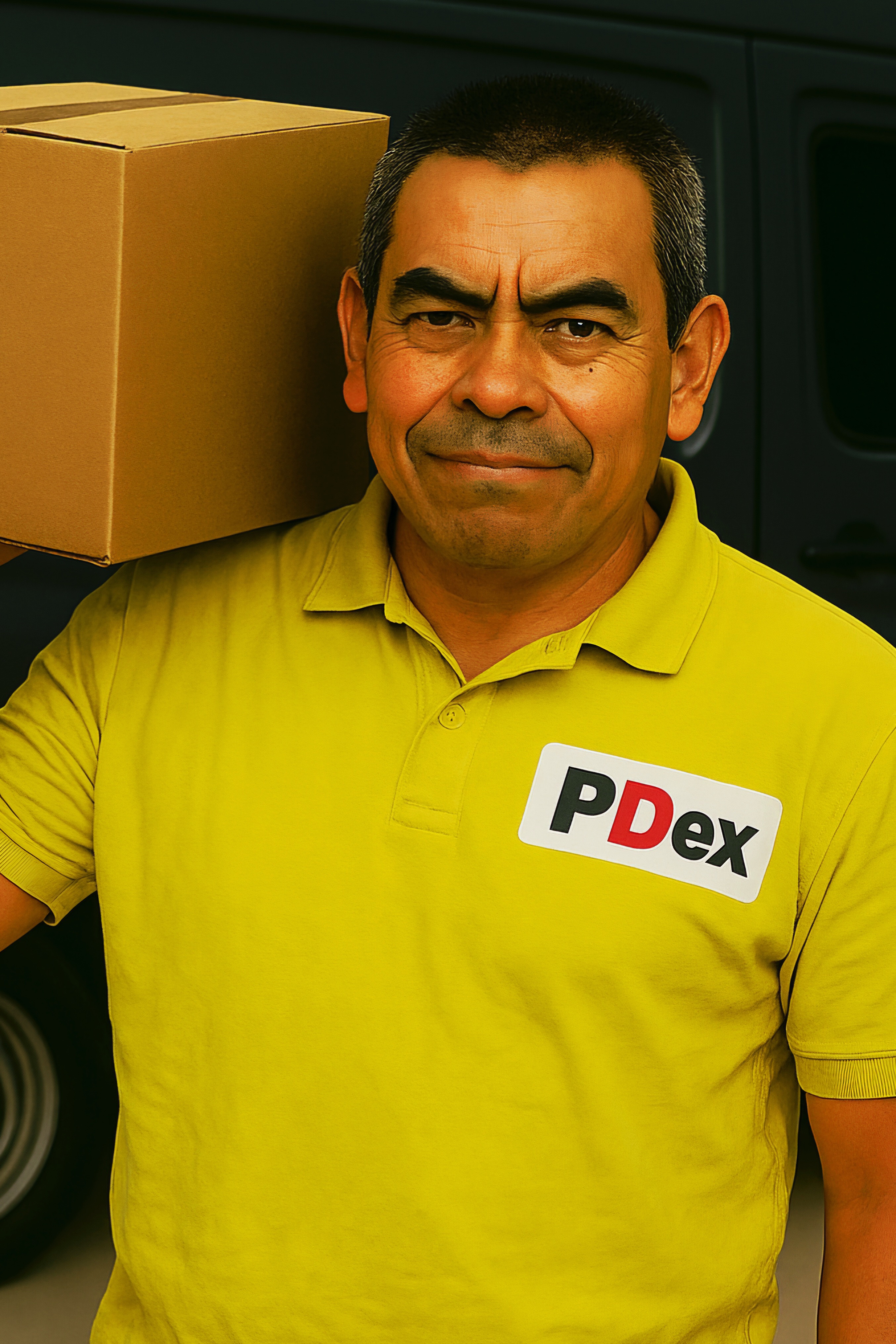
Hector Ruedas is a delivery driver, not a detective. Unfortunately, the universe in Roswell disagrees.
Between a trainee with illegal gadgets, a boss who may or may not be a witch, a murdered coworker, and a warehouse that keeps producing ghosts instead of answers, Hector finds himself piecing together a conspiracy that spans black‑market tech, street gangs, and the afterlife itself.
Delivering 2nd Chances is a paranormal mystery packed with sharp dialogue, chaotic investigations, and a reluctant hero who just wanted to finish his route—before the dead started asking for help.
A longer AI version, which I find intriguing and might be able to work with is this:
Delivering goods is supposed to be simple. Hector Ruedas’ job never is.
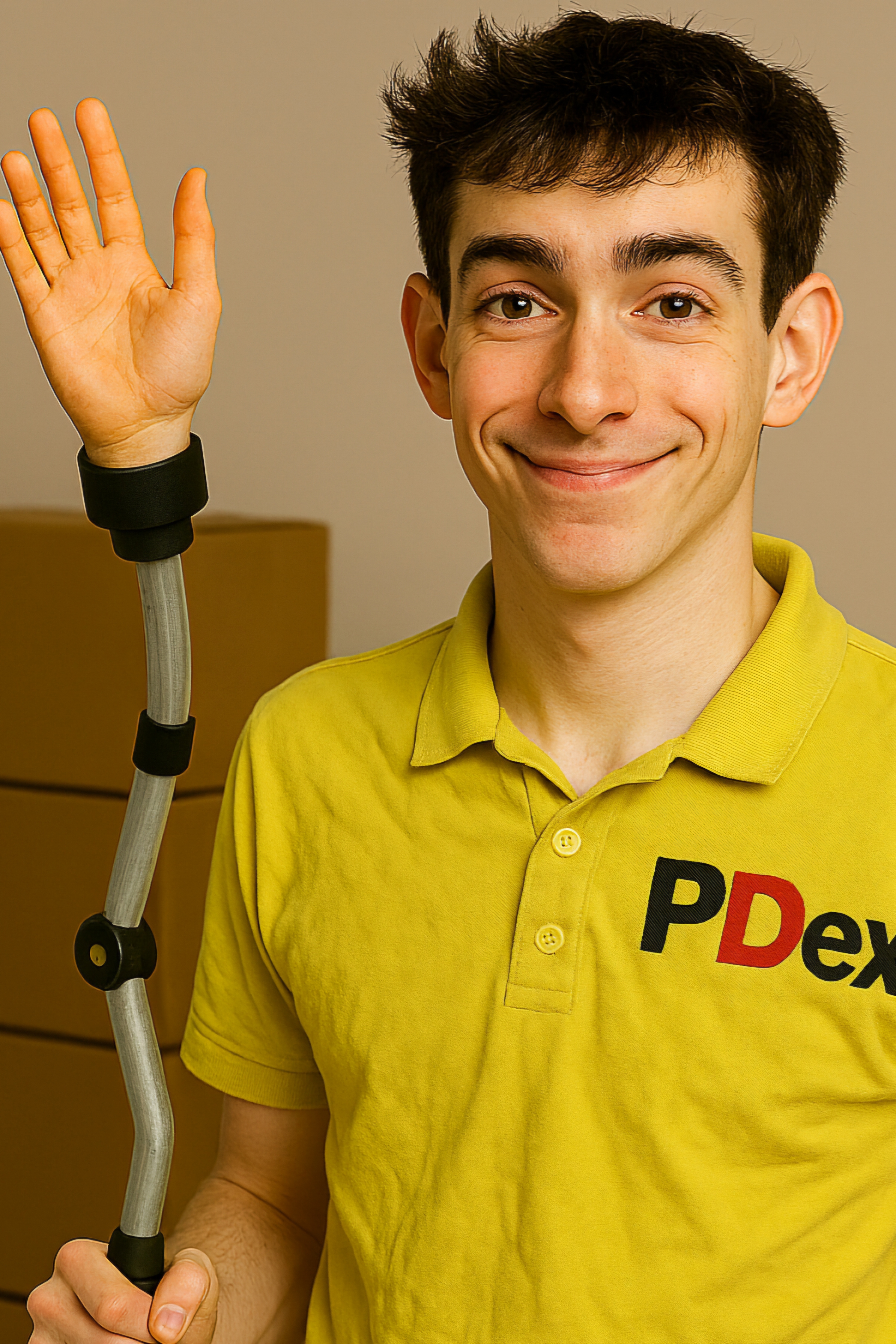
Hector is a middle‑aged PDex delivery driver with a short fuse, a soft heart, and a bad habit of stumbling into trouble. On what should have been a routine training day with nineteen‑year‑old Kevin Smart—a gadget‑obsessed trainee with secrets of his own—Hector instead finds himself navigating vicious dogs, hostile customers, breakdancing gangs, and a warehouse that just became a crime scene.
When a coworker is murdered, another vanishes, and security footage is mysteriously erased, Hector’s unofficial detective instincts kick in. As the investigation widens, so do the questions: Why are delivery trucks linked to black‑market tech and performance‑enhancing drugs? Who is hacking surveillance systems across town? And why do ghosts—very specific, very persistent ghosts—keep pointing at cameras and demanding justice?
With the help of a sharp‑witted church secretary, a reluctant trainee, an exorcist priest, and a growing cast of unlikely allies, Hector is pulled into a case that blurs the line between the supernatural and the criminal, the sacred and the absurd.
Part mystery, part paranormal noir, and part workplace comedy, Delivering 2nd Chances is a fast‑paced, character‑driven story about grief, loyalty, and what happens when the truth refuses to stay buried—even if it has to haunt you to be heard.
What do you think? Which do you prefer? I might try my hand at writing my own now. In the past, I’ve had input from others when it came to writing my blurbs. Now that I’ve lost contact with many of writing friends, at least to the extent that I would ask them for help, I’m finding myself clutching at straws. That is what I think of AI help. Clutching at straws. It seems like a lot of fun, but it loses fascination in short order when you can see its cracks. Do you remember Do Androids Dream of Electric Sheep? They had specific tests they ran to detect whether a “human” was not. There are definitely tells with our AI programs.
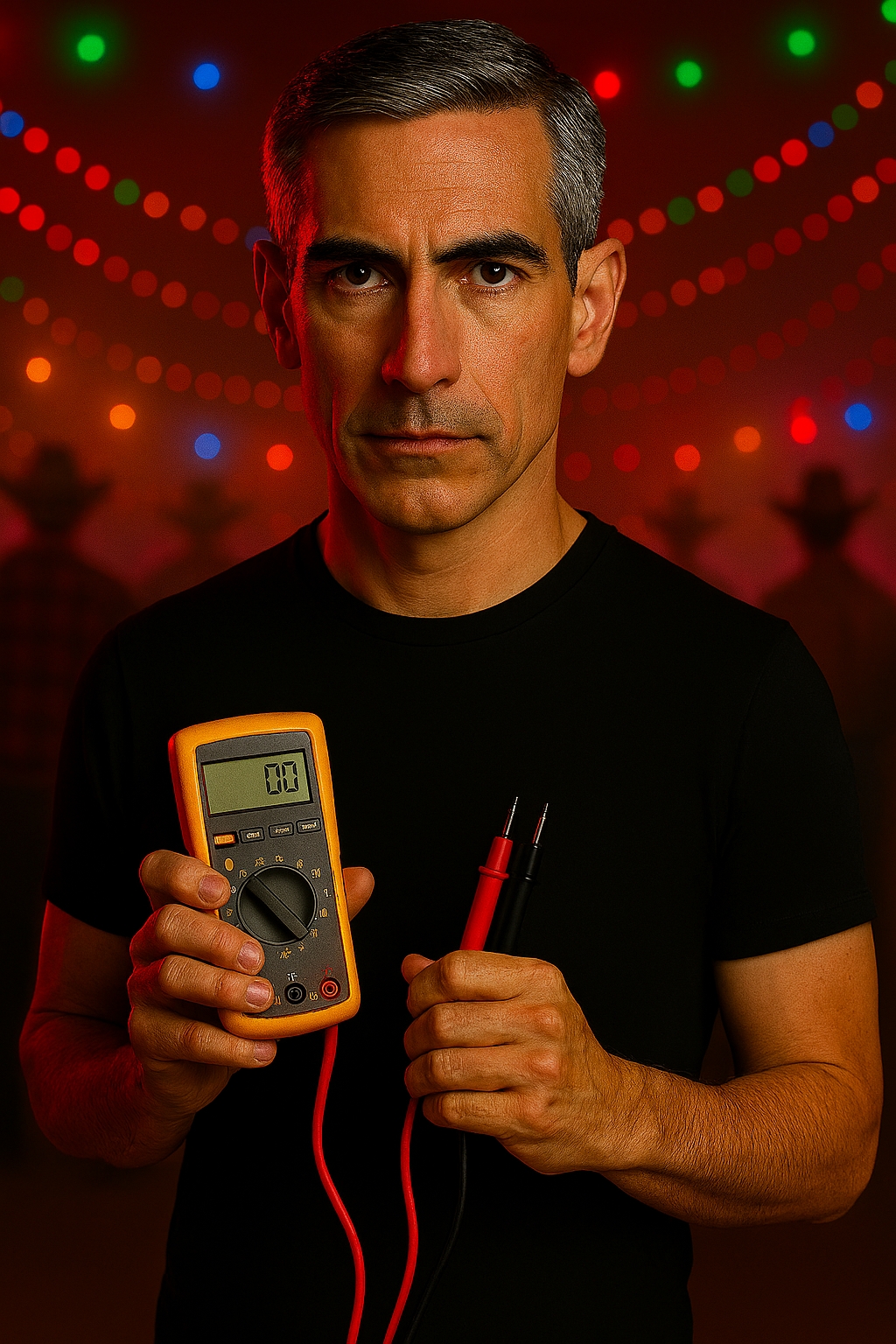
This is a little off the subject, but I’ve been obsessively watching AI created Studio Ghibli inspired videos on YouTube. They are clearly human directed videos that people are putting together using AI software. In other words, there is human creativity involved, just as in the character images I created here. But there are weird little tells that they are AI (just look at the numbering on Wilford’s measuring tape). Sometimes, you can’t force AI to replicate a room you just dictated in detail that it would create, and sometimes, it does wonky things like adding extra stoves or moving around objects in the room. I like these videos because they are soothing and have backgrounds with lo-fi piano music and sounds of rain and food boiling and sizzling. Also, the details are very exact and use intense color and focus. Some of the creators seem to be newer at it than others, with weird jumps to new scenes when one scene has gone awry. Some are seamless.
Anyway, I thought it would be fun to make videos like that, but also very frustrating, knowing how hard it is for AI programs to fully comply with instructions. Of course, humans have difficulty with this, too, but a human will fail in human ways. E.g., a human might animate a character putting food in a grocery cart and forget something from the grocery list. AI will put anomalies in the cart, like a carton of McDonald’s French fries. Who knew you could pick up such items off the grocery store shelf (British English was probably the default language choice)?